What Helps Improve Flower Growth?
Growing flowers from seeds may look simple, but getting the best results requires proper care and attention. Some seeds sprout quickly, while others take longer, and even healthy seedlings can struggle when soil, moisture, and sunlight conditions are not right. Understanding the basic needs of your plants is essential for healthy flower growth and often makes a bigger difference than simply buying more gardening products.
We tested and used different gardening tools while working with flowers and paid attention to the things that actually matter during everyday care. Instead of judging a product only by its appearance, we looked at ease of use, control, durability, comfort, precision, and how useful it is for real flower garden tasks.
Disclaimer
This article may contain affiliate links. We may earn a small commission from qualifying purchases at no extra cost to you. Your support helps us create useful gardening content.
The First Thing We Check Before Planting
A flower bed may receive plenty of sunlight, but compacted soil can still make planting difficult. Poor drainage can create another problem, while an unsuitable location may leave plants struggling even when they receive regular care.
That is why we start with three basic questions:
1- Does the area receive suitable sunlight?
2- Is the soil workable and well-drained?
3- Is the flower variety suitable for the growing conditions?
Once these basics are right, the tools become much more useful.
Hand Trowel
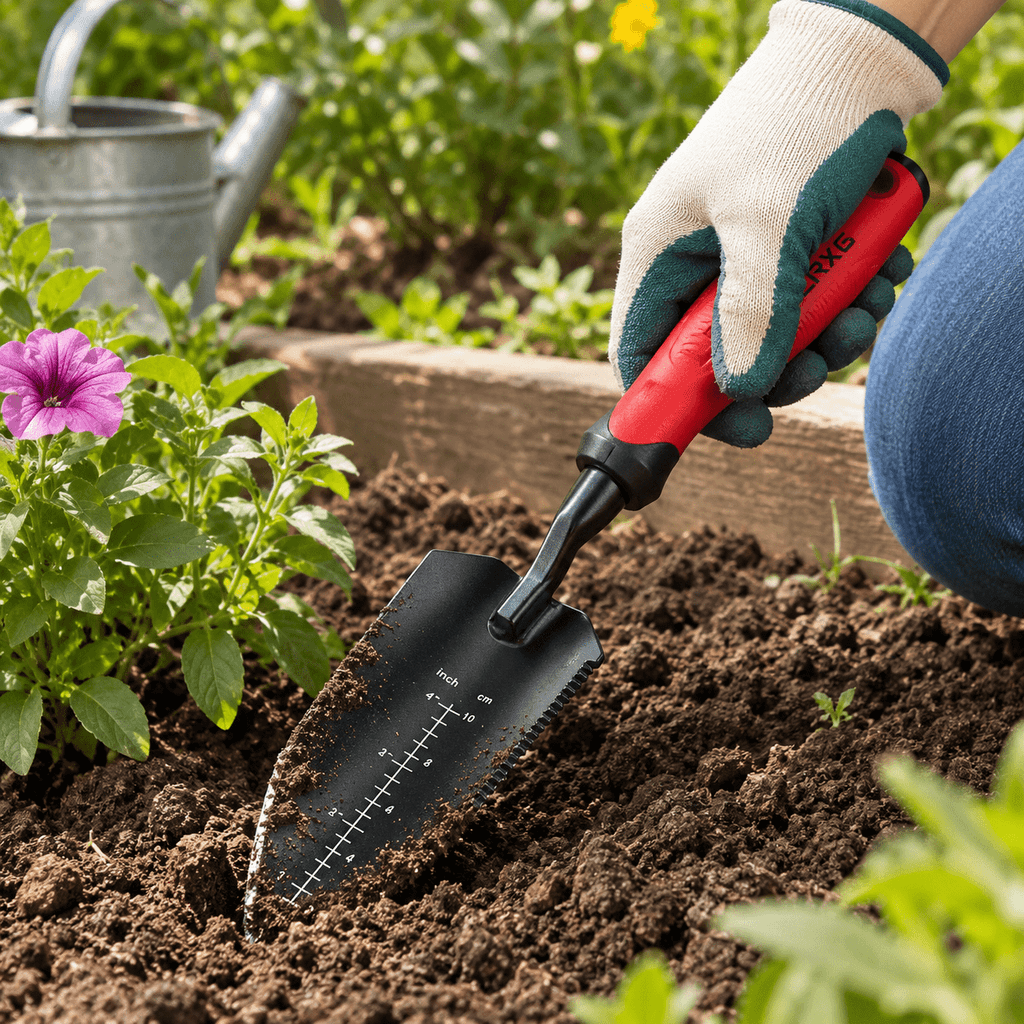
For small planting jobs, the hand trowel is the tool we reach for first. It makes it easier to create planting holes, loosen soil around young plants, and move small amounts of soil without disturbing the surrounding area.Choose a trowel with a sturdy blade and comfortable grip if you regularly plant seeds or small flowers.
Soil Preparation Can Change the Whole Process
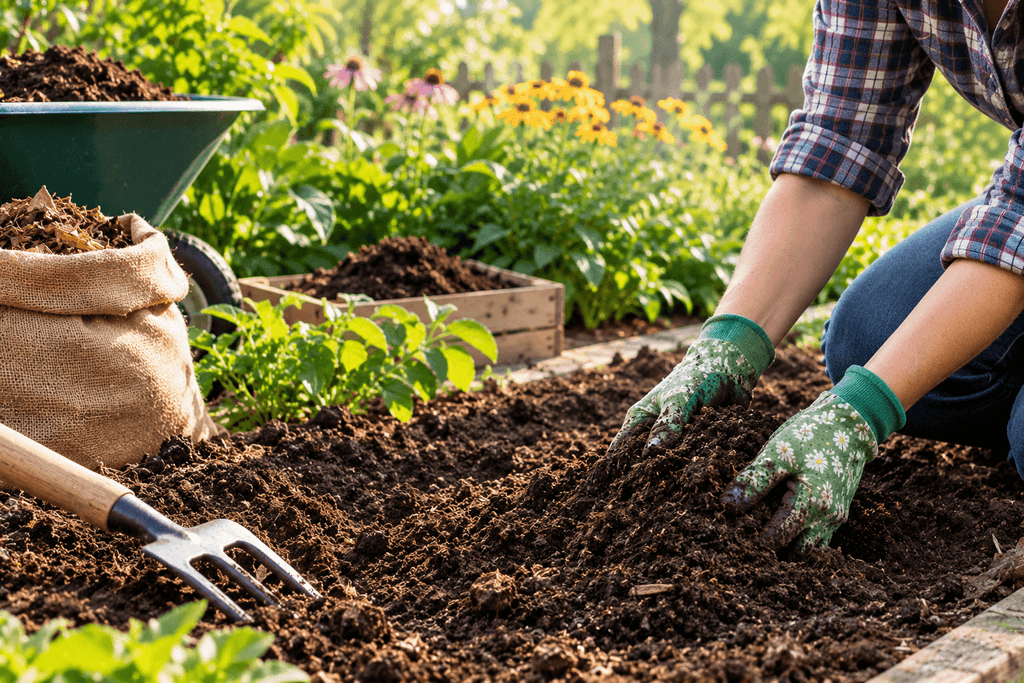
Flowers do not begin with the bloom. They begin with the growing environment around their roots. A garden rake is useful before planting because it can help break up loose surface material, level the area, and remove small debris. We prefer a rake that is light enough to control but strong enough for regular garden work.
Watering Is Where Many Beginners Go Wrong
New gardeners often focus heavily on seeds and fertilizer but overlook how they are watering. Young plants need consistent moisture, but simply flooding the soil is not the goal. We found that having better control over the water stream makes routine care easier, especially around delicate plants.
Watering Wand
A watering wand gives more control than directing a strong hose stream directly at the soil. When choosing one, looked at spray control, reach, handle comfort, and connection quality. Choose a wand with adjustable water flow if you grow seedlings or flowers in different areas of the garden.
Garden Hose
For a larger garden, a hose saves time and effort. The main things we consider are length, flexibility, fittings, storage, and handling.
Flowers Also Need Regular Cleanup
Flower care does not stop after planting. Dead growth, damaged stems, and unwanted shoots may need to be removed as plants develop.
Pruning Shears
A good pair of pruning shears makes these small jobs much easier. During use, the features we focused on were blade sharpness, handle comfort, locking mechanism, and cutting ability. For flower maintenance, we would choose a pair that makes clean cuts without requiring excessive hand pressure.
Do not Forget Your Hands
This sounds like a small detail, but gardening gloves can make a noticeable difference when working for longer periods. We look for flexibility, grip, fit, breathability, and protection rather than choosing gloves simply because they look durable.
What About Quick-Blooming Flowers?
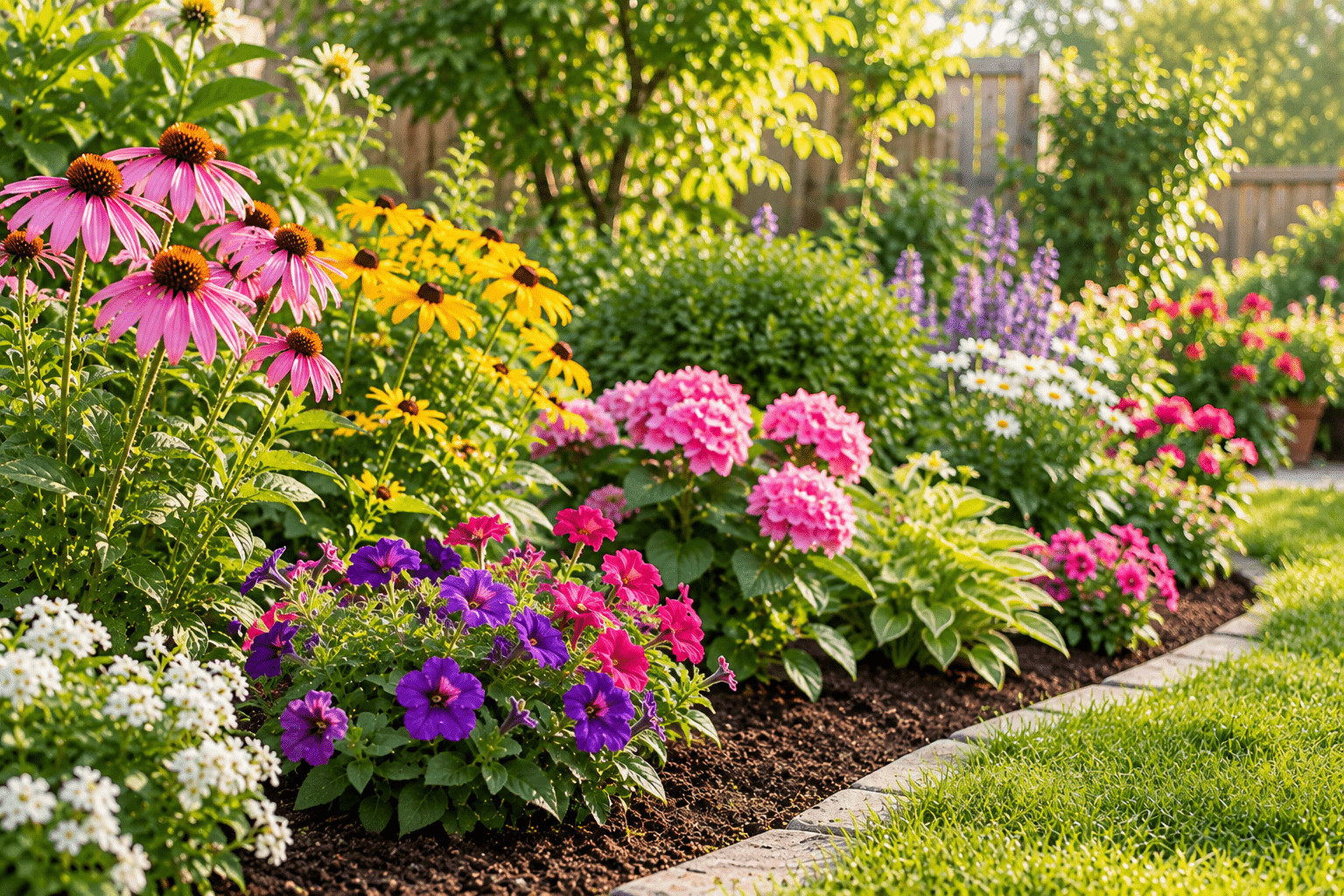
If your goal is to see flowers relatively soon, some annual varieties can be good choices. Depending on your growing conditions, options include:
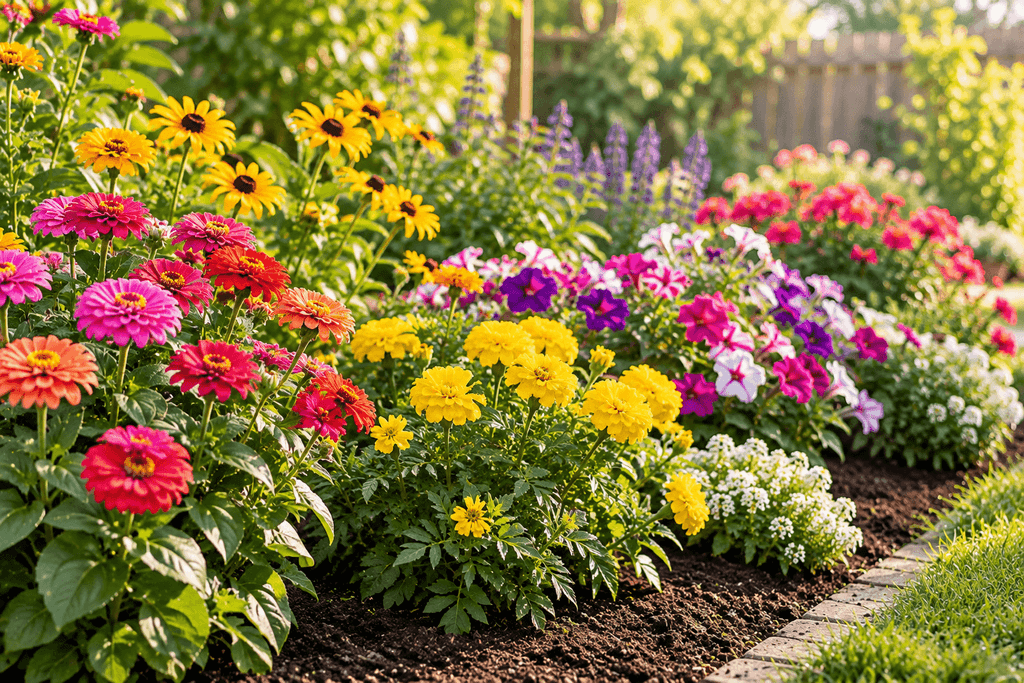
Sweet Alyssum, Calendula, Johnny Jump-Ups, Cornflowers, Nigella, Nasturtiums, Annual Phlox, Petunias, Poppies, Sunflowers
The important point is that “quick blooming” does not mean every plant will flower in exactly the same number of days. Temperature, sunlight, soil, moisture, seed quality, and the variety itself can all affect the result.
A Simple Routine We Follow
Instead of trying to do everything at once, we keep flower care simple:
Prepare → Plant → Water → Observe → Maintain
First, prepare the soil and planting area. Then plant according to the seed or plant requirements. Water according to the conditions rather than following a fixed routine every day.
After that, observe the plants.
If the soil is staying too wet, watering needs attention. If weeds are competing with young plants, remove them early. If stems become damaged or unwanted growth appears, pruning may be necessary.
This approach makes flower care much easier than constantly adding new products or changing methods.
So, Which Tools Are Actually Worth Having?
You do not need a huge collection to start growing flowers. For basic flower gardening, we would build the setup around a hand trowel, garden rake, gardening gloves, watering tool, and pruning shears. A garden hoe and hose become more useful as the garden gets larger. The right choice ultimately depends on the size of your garden and the type of flowers you are growing. A small container garden needs very different equipment from a large flower bed.

About The Author
“Shawn L. Pridgen is a gardening content writer and enthusiast who focuses on practical gardening methods, growing techniques, and useful information for home gardeners. His content combines hands-on gardening experience with careful research to make gardening easier to understand for beginners.“