How to Create a Low-Maintenance Meadow Lawn
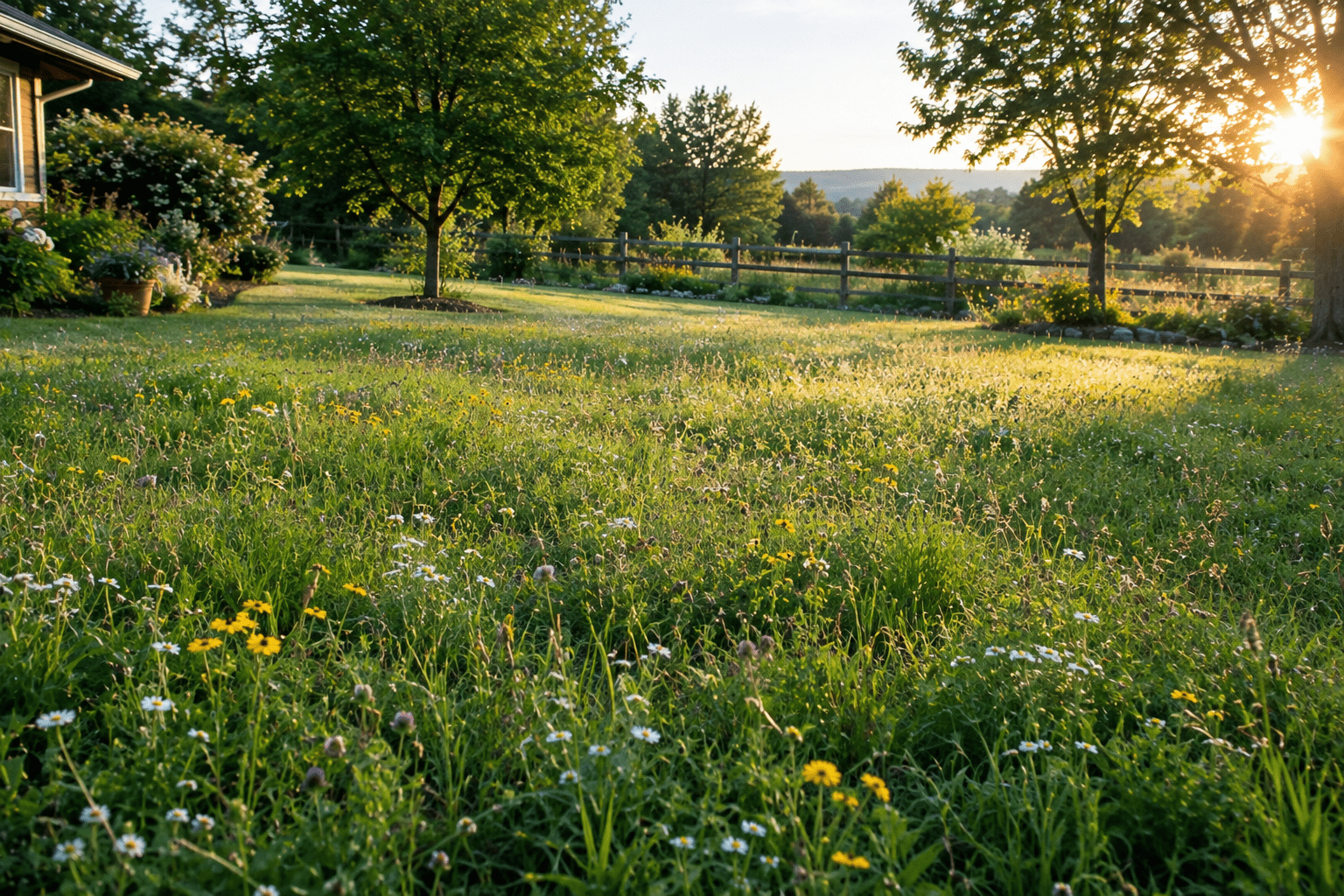
A meadow lawn can completely change the way you use a traditional grass yard.Instead of a closely mowed lawn, you can create a natural space with grasses and flowering plants.Good results depend on choosing suitable plants, preparing the lawn, and allowing them time to grow.
Creating a successful meadow lawn takes more than scattering wildflower seeds. We focused on practical gardening methods and useful tools for preparing, planting, watering, and maintaining a meadow. Our experience shows that proper site preparation, suitable seed selection, regular watering, and the right maintenance tools make the biggest difference.
A meadow-style lawn replaces some or all of the traditional turf with a mixture of grasses and flowering plants. Depending on the location, the plants can include native species suited to local soil, sunlight, rainfall, and wildlife. A successful meadow is not simply an unmoved lawn. You need to think about what you want to grow and whether those plants are actually suitable for your location.
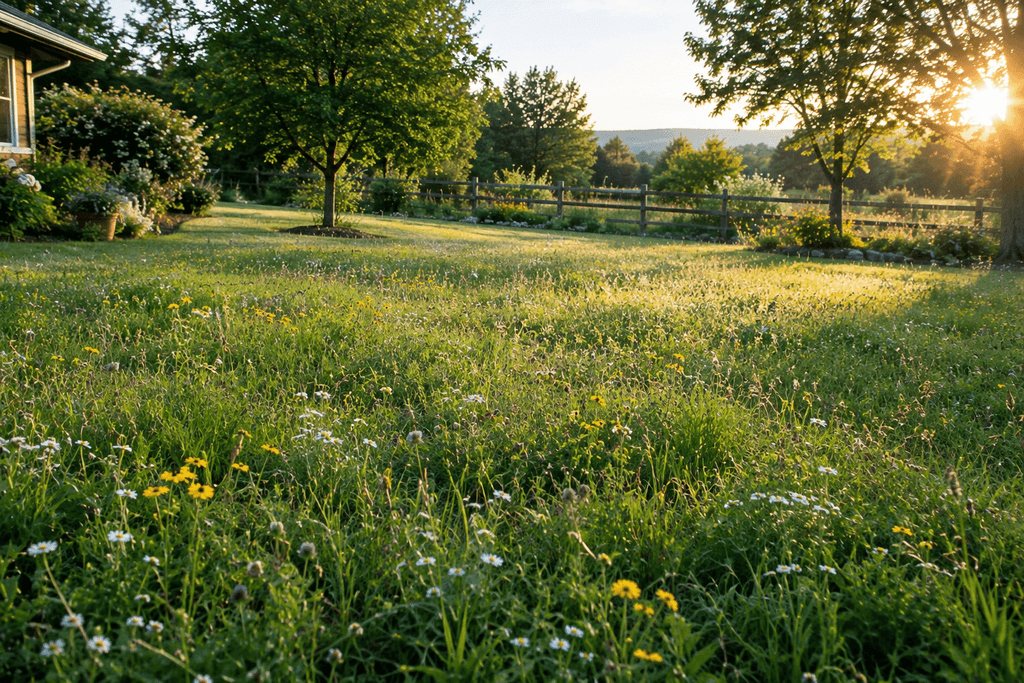
Is Replacing Your Lawn Actually Worth the Effort?
The biggest attraction is a reduced routine mowing once the planting becomes established. Native wildflower plantings can also offer sustenance and shelter for pollinators and other wildlife, with deeper rooted vegetation better promoting water absorption than typical grass lawns do. The establishment period can require considerably more attention than the finished meadow. You may need to manage weeds, provide water during dry periods, monitor new seedlings, and prevent unwanted plants from taking over.
That is why we would treat the conversion as a long-term garden project rather than a quick weekend makeover.
Disclaimer
This article may contain affiliate links. We may earn a small commission from qualifying purchases at no extra cost to you. Your support helps us create useful gardening content.
Products we Looked at for Creating a Meadow Lawn
Before starting, we focused on the products that solve the most important problems in this type of project:
Native meadow, wildflower seed mix, Seed spreader, Soil testing kit, Garden rake, Garden hoe, Hand trowel, Gardening gloves, Garden hose, watering wand, Pruning or cutting tools.
The products serve different purposes, so we wouldn’t recommend buying everything blindly. The right combination depends on whether you’re converting a small section of lawn or a much larger area.
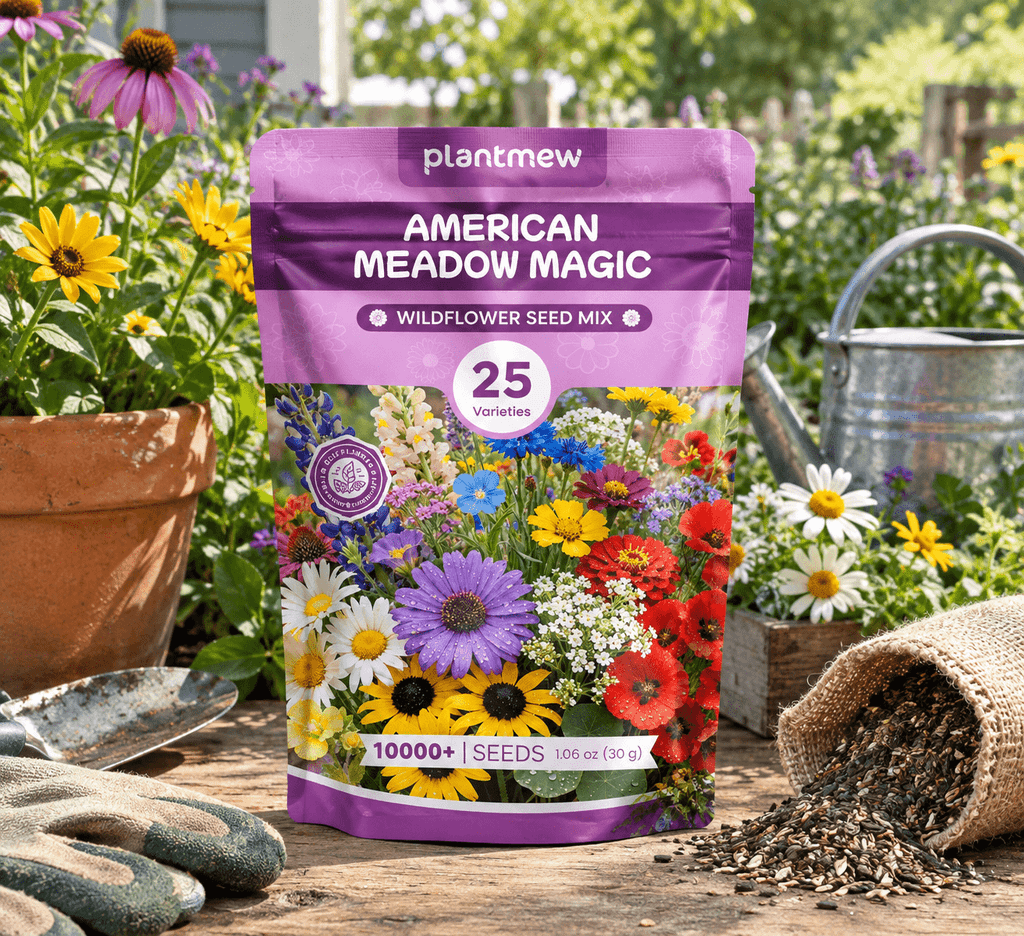
1. Native Meadow Seed Mix
The seed mix is arguably the most important purchase because your plants determine how the finished meadow will perform. We would not choose a seed packet simply because it has attractive flowers printed on the front. Look for a mixture containing species that are appropriate for your region, sunlight, soil and moisture conditions. Native species are particularly useful because they are adapted to the conditions where they naturally occur.
Our Takeaway
If you are buying only one major product for the project, spend time researching the seed mix, not just looking for the cheapest packet.
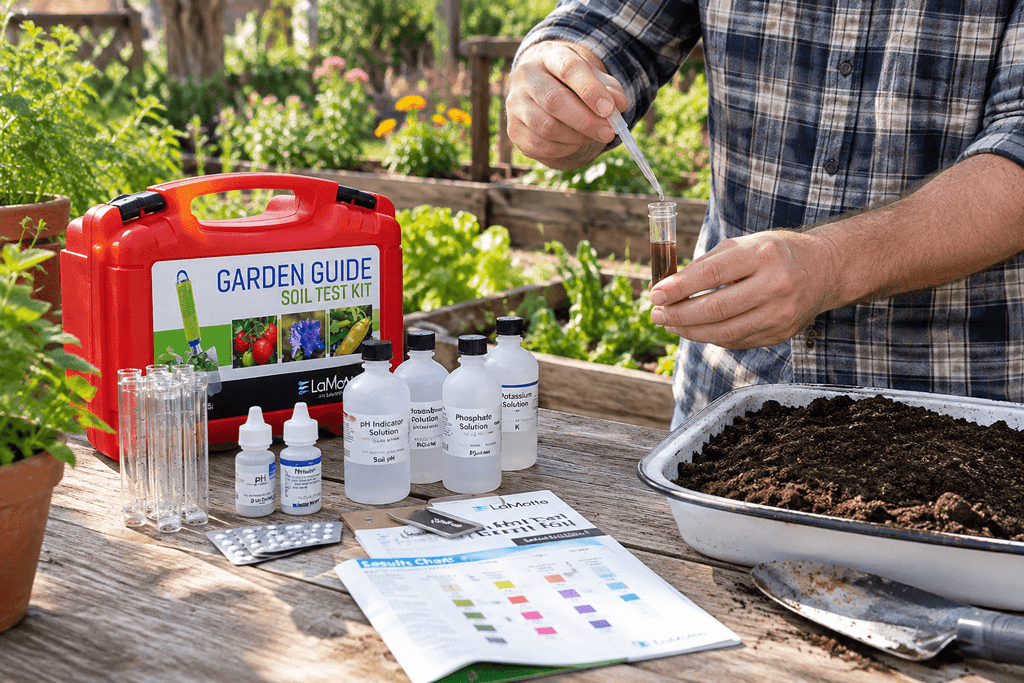
2. Soil Testing Kit
Before planting, knowing something about your soil can help you make more informed decisions. A soil test can provide useful information about characteristics such as pH and nutrient levels. This becomes especially relevant when you’re trying to establish plants that have specific site preferences. However, do not assume that adding lots of fertilizer will automatically improve a meadow.
What we would check
- Easy-to-follow instructions
- Clear result readings
- Number of tests included
- Suitable testing range
- Whether the kit provides actionable information
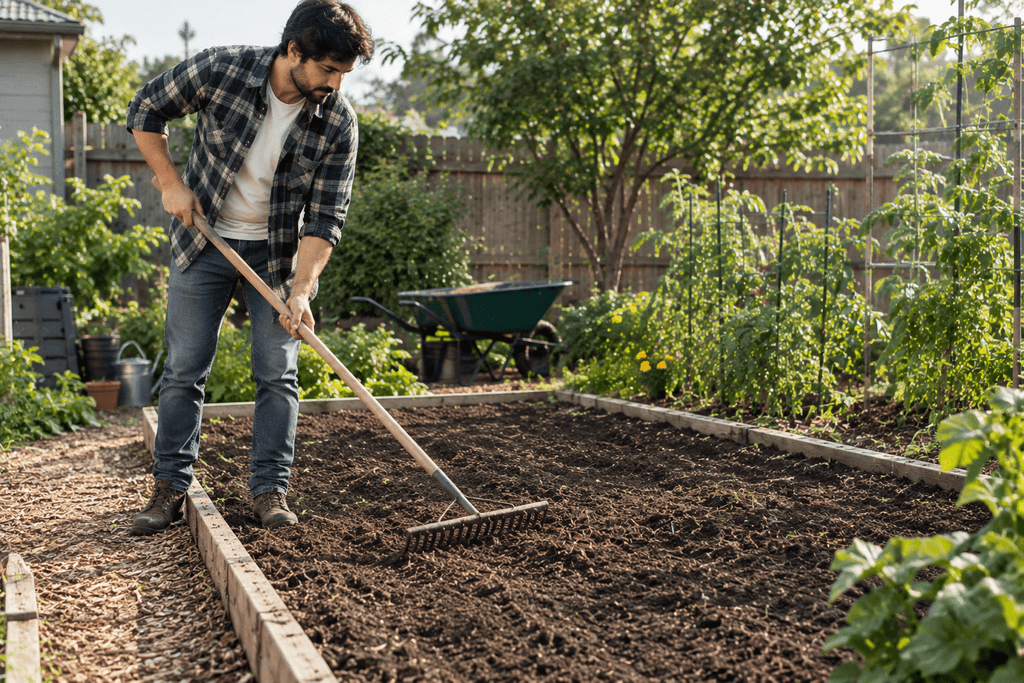
3. Garden Rake
Once you’re preparing the planting area, a rake becomes one of the simplest but most useful tools. It can help clear debris, prepare the surface, and create suitable seed-to-soil contact depending on the planting method. We prefer a rake that is easy to control rather than an unnecessarily heavy model.
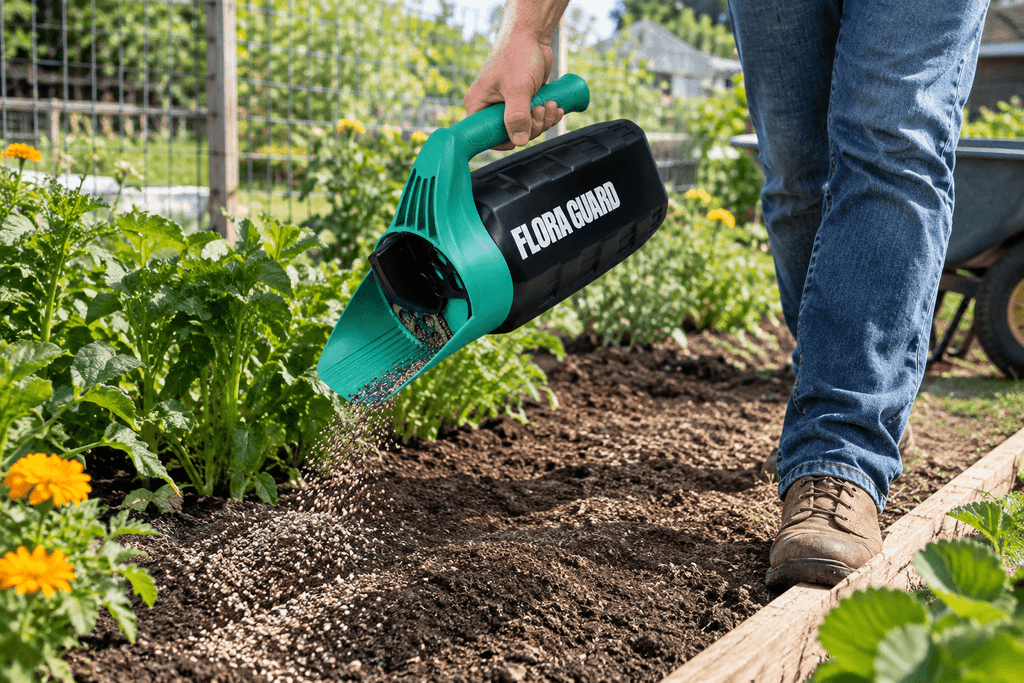
4. Seed Spreader
Broadcasting seed by hand can work for small areas, but spreading large quantities evenly becomes harder as the area increases. A seed spreader can help distribute seed more consistently and reduce the chance of putting too much seed in one area and too little in another.
What we would check
- Adjustable spreading rate
- Comfortable handling
- Easy filling
- Simple cleaning
- Even distribution
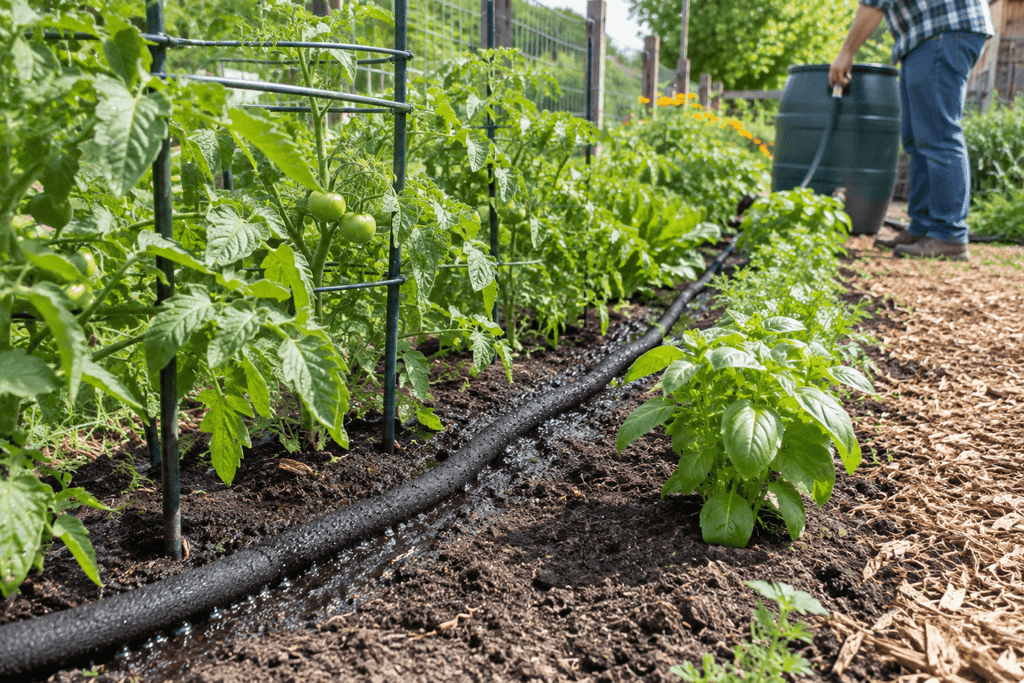
5. Garden Hose
A hose is one of those products that may already be sitting in your garage, but it becomes particularly useful during meadow establishment. Look for flexibility, appropriate length, easy storage and fittings that do not constantly leak.
6. Watering Wand
A watering wand can provide more controlled watering than a standard hose nozzle, especially around newly planted areas. The gentler spray can help reduce the risk of disturbing freshly sown seed or young plants.
What we would check
- Comfortable handle
- Adjustable spray
- Long enough reach
- Easy hose connection
- Lightweight construction
How to Prepare Your Existing Lawn
This is where we would spend most of our attention.
Step 1: Choose a Suitable Area
Start with an area that receives enough sunlight for the species you’ve selected. We note that meadow plants generally need substantial sunlight, while open sunny areas as suitable locations for native meadows. Do not automatically convert your entire lawn. A smaller test area can let you see how the plants perform before you commit to a much larger transformation.
Step 2: Remove or Suppress Existing Turf
Grass competes directly with newly planted meadow species. For some projects, the existing turf needs to be removed. Other approaches can suppress the grass before planting. The best method depends on the site and your goals, so do not assume that one technique is automatically suitable for every yard.
Step 3: Prepare the Surface
Prepare the surface according to your chosen planting method. The objective is to create enough contact between the seed and soil for germination while avoiding unnecessary disturbance.
Step 4: Spread the Seed
Spread the selected mixture evenly across the prepared area. If you are working with a large area, a spreader can make distribution easier.
Step 5: Water During Establishment
New seedlings need appropriate moisture while they establish. This is where a hose or watering wand can be useful for smaller areas. For larger spaces, an irrigation approach may be more practical.
Meadow Lawn Maintenance
Once the meadow begins growing, do not treat it exactly like a conventional lawn.
Do not mow it every week, Watch for invasive plants, Be patient
What we Like About a Meadow Lawn
- Less routine mowing after establishment
- More plant diversity
- Wildlife habitat
- Better use of unused lawn
What we Do not Like
The biggest disadvantage is the transition period.
The right choice depends on how you use your yard, your local conditions, your aesthetic preference, and how much time you are willing to spend during establishment.
Conclusion:
After looking at the practical side of converting lawn into meadow, we would not recommend treating it as a simple “stop mowing and throw down seeds” project. The most important purchase is the right regional seed mix, but the product alone won’t determine the result. Site preparation, sunlight, soil conditions, moisture, plant selection and patience all matter. For a small project, we would start with a manageable section rather than converting the entire lawn immediately. Test how the plants perform, learn how much maintenance the area requires, and expand only when you’re comfortable with the results.

About The Author
“Shawn L. Pridgen is a gardening content writer and enthusiast who focuses on practical gardening methods, growing techniques, and useful information for home gardeners. His content combines hands-on gardening experience with careful research to make gardening easier to understand for beginners.“