Smart Ideas for Successful Small Space Gardening
Growing fresh herbs, vegetables, or flowers does not require a large backyard. With the right setup, even a balcony, patio, windowsill, or small corner can become a productive garden. Small space gardening is mainly about using the space you already have more efficiently rather than trying to fit more plants into the same area.
We have found that the biggest difference comes from choosing the right containers, using vertical space, selecting compact plants, and avoiding products that take up more room than they actually save. In this guide, we will share the space-saving techniques and gardening products worth considering based on the features that matter most in a limited growing area.
Disclaimer
This article may contain affiliate links. We may earn a small commission from qualifying purchases at no extra cost to you. Your support helps us create useful gardening content.
What We Look for in Small-Space Gardening Products
When space is limited, we don’t judge a gardening product only by its appearance. We look at how much growing space it provides, how easy it is to set up, how much floor space it occupies, drainage, durability, watering convenience, and whether it is practical for everyday use.
These features are particularly important for balcony and patio gardeners because a product that looks useful but is difficult to move, water, or maintain can quickly become frustrating.
1. Vertical Planters
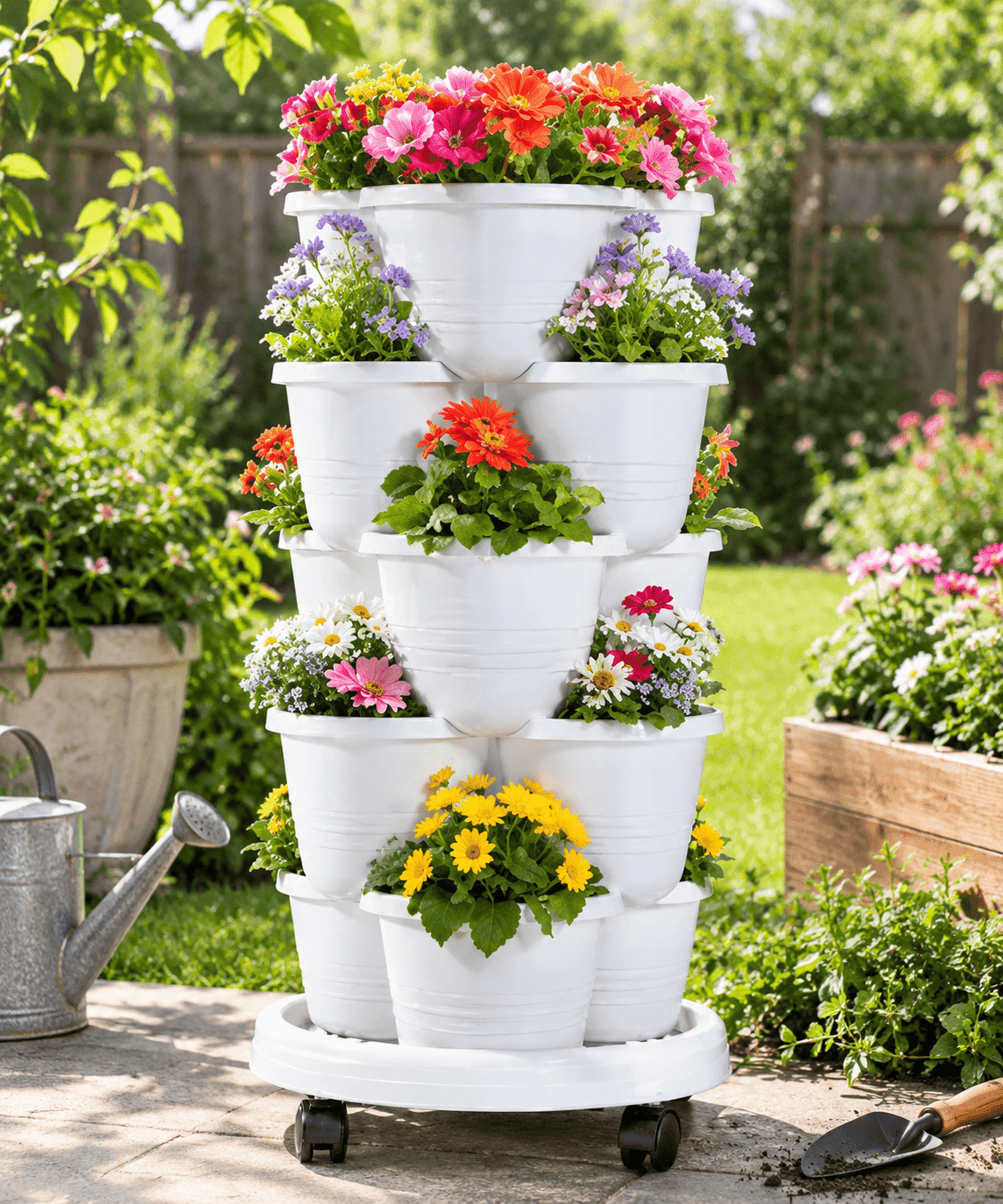
One of the easiest ways to make a small garden more productive is to grow upward instead of outward. A vertical planter can use a wall, railing, or narrow corner while keeping more of the floor available for other purposes.
When choosing one, pay attention to stability, drainage, material quality, planting capacity, and watering access. A lightweight system may be easier to move, while a larger freestanding model can provide more planting space.
Best for: herbs, strawberries, lettuce, flowers, and other compact plants.
Takeaway: If your biggest problem is limited floor space, vertical growing is one of the first solutions you would consider.
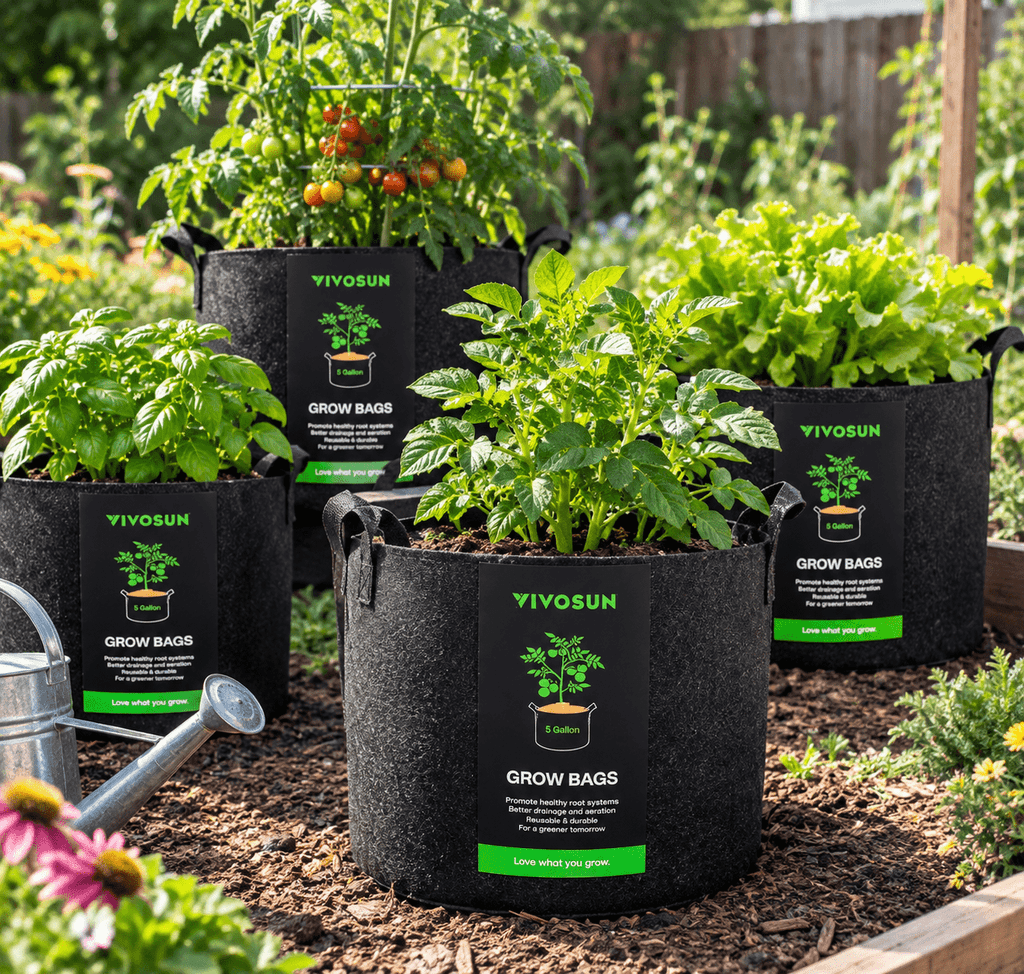
2. Fabric Grow Bags
Grow bags are useful when traditional pots feel too bulky. They can be placed on balconies, patios, small yards, or other areas where you need flexibility.
Their main advantage is that they can be moved or stored when they are not needed. Different sizes also allow you to grow everything from herbs and greens to larger container vegetables.
Best for: vegetables, herbs, potatoes, tomatoes, and seasonal crops.
Takeaway: If you want to grow more in less space while keeping your setup flexible, grow bags make container gardening easier.
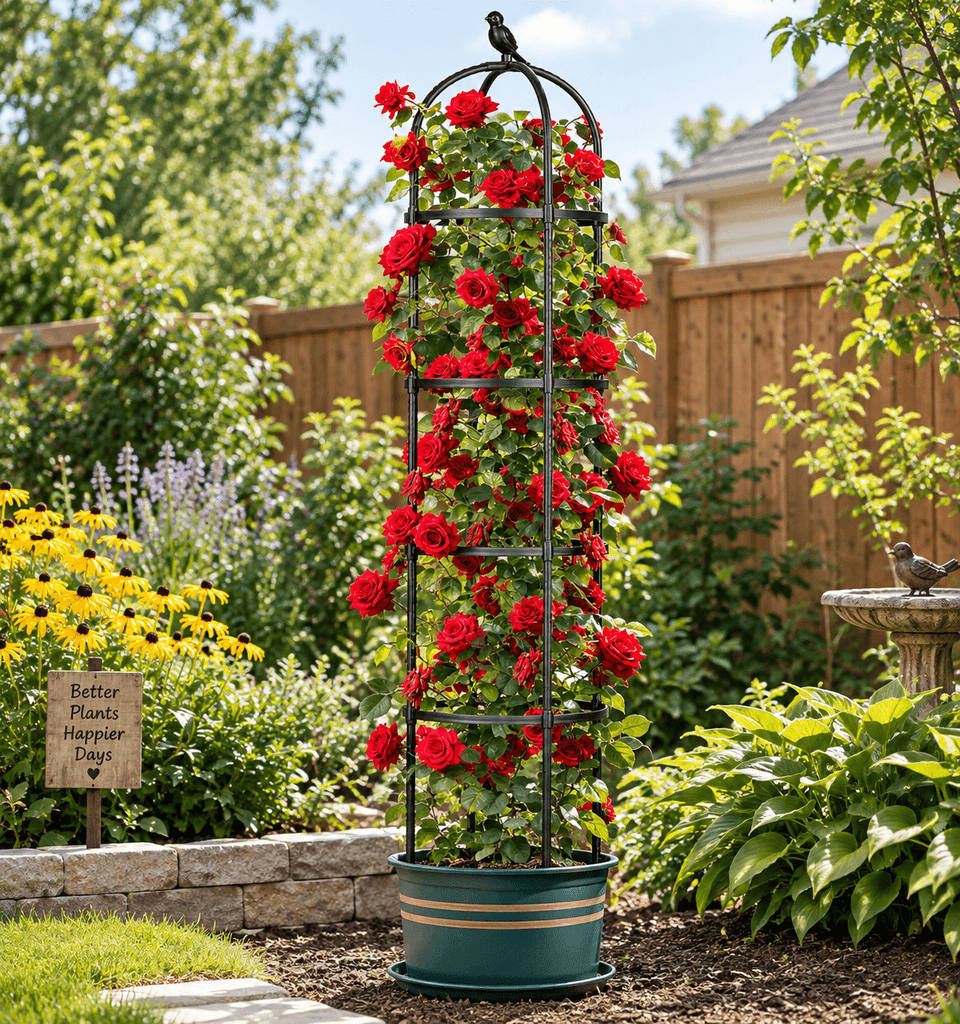
3. Compact Trellis
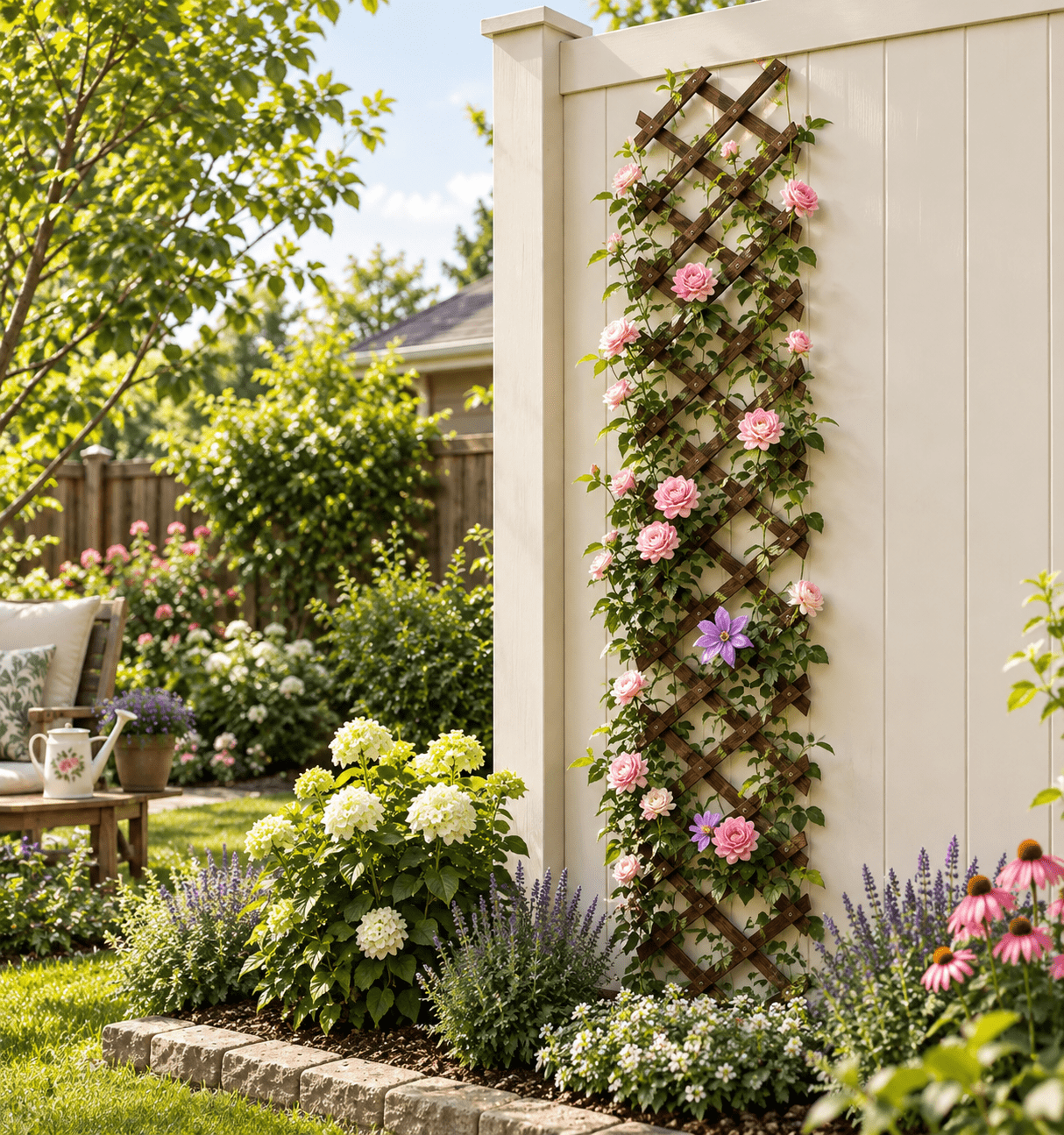
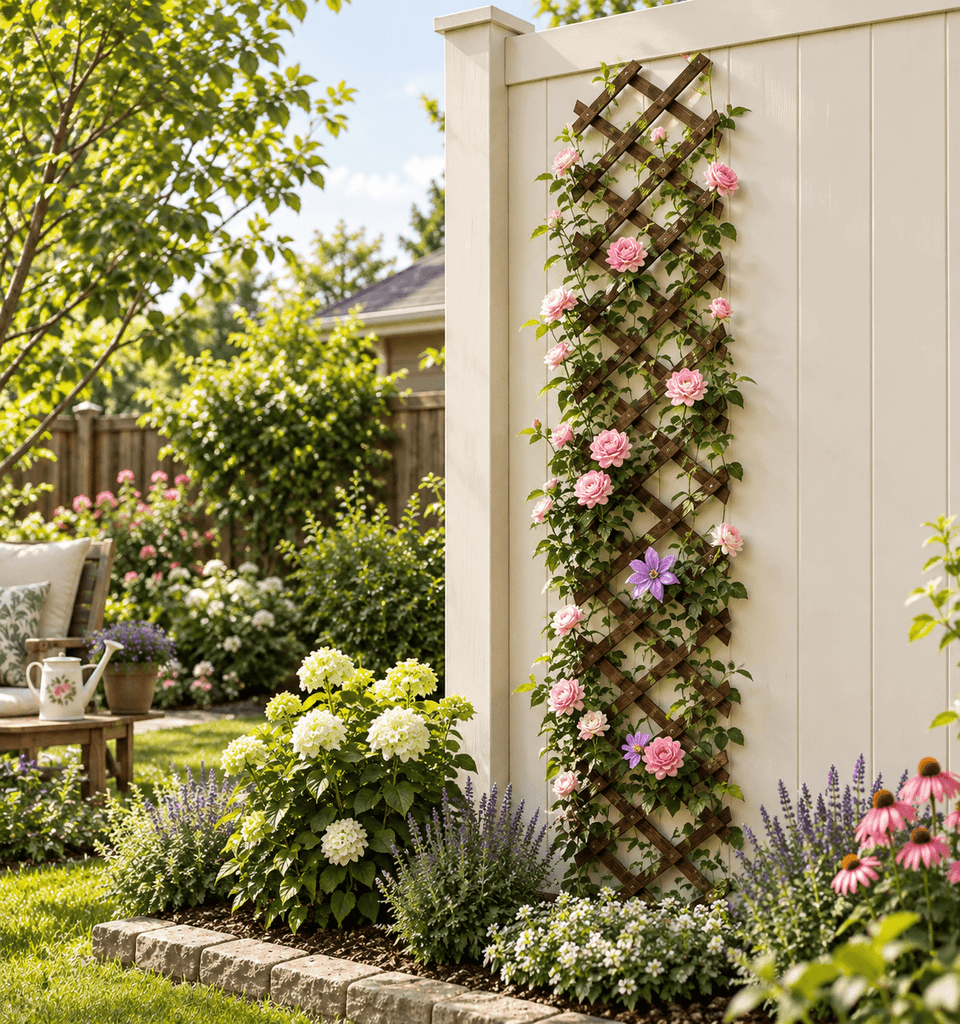
Some plants naturally want to spread across the ground. In a limited garden, that can quickly consume valuable space. A compact trellis gives climbing plants a structure to grow upward.
Best for: climbing and vining plants.
Takeaway: If you want to grow climbing plants without sacrificing valuable ground space, a compact trellis helps you make better use of vertical space.
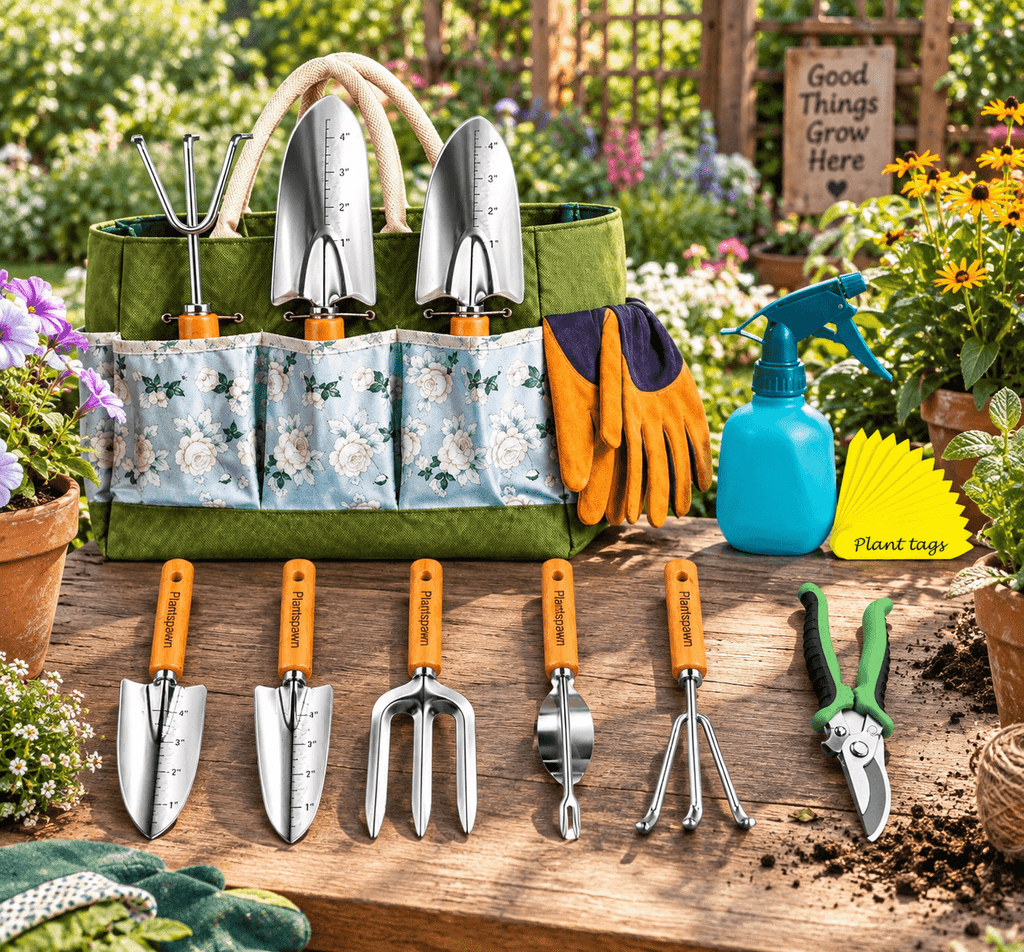
4. Compact Gardening Tools
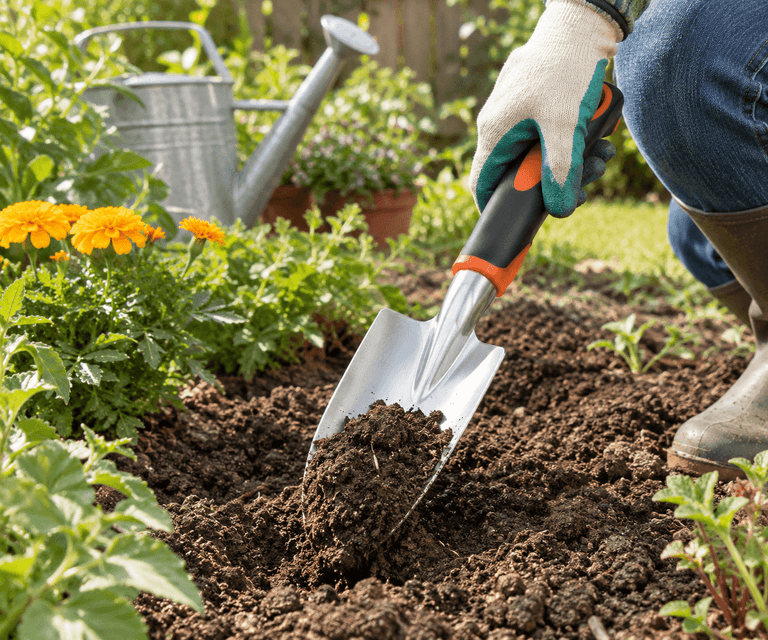
Small gardens don’t necessarily need fewer tools; they need smarter ones. Oversized tools can be awkward when you’re working in containers or between closely placed plants. A compact hand-tool set can cover everyday tasks such as loosening soil, planting seedlings, removing weeds, and transferring soil into containers.
Best for: balcony gardeners, container gardeners, and beginners.
Takeaway: If you want to handle everyday gardening tasks in a small space, a compact hand-tool set makes planting, weeding, and soil care easier.
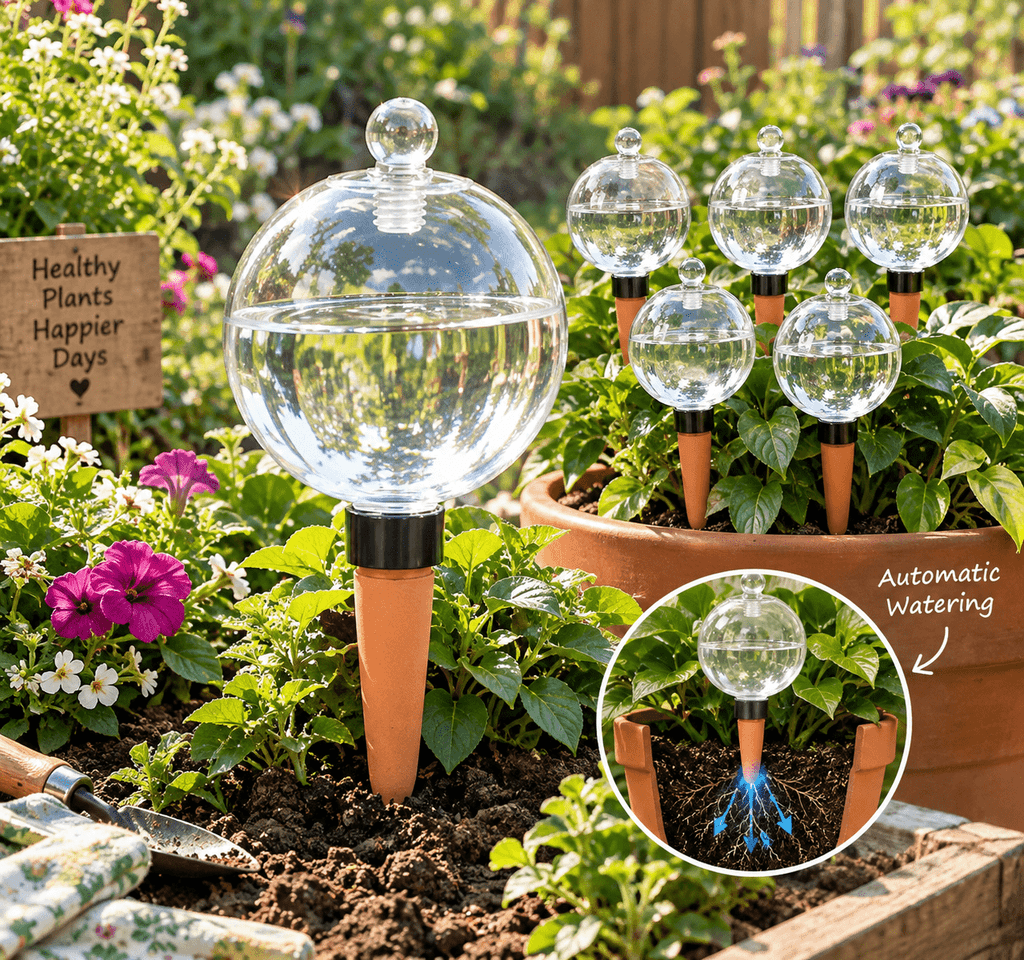
5. Self-Watering Containers
Watering becomes one of the biggest maintenance issues when you have several containers in a small area. A self-watering container can help simplify the routine by storing water separately and making it available to the plant as needed. This can be especially useful for people who spend time away from home or simply don’t want to check several pots every day. Look for a useful water reservoir, drainage control, sturdy construction, and an easy way to check the water level.
Best for: herbs, flowers, vegetables, and gardeners who want a lower-maintenance setup.
Takeaway: If you want to make watering easier and reduce daily maintenance, self-watering containers help keep your plants hydrated with less frequent attention.
Space-Saving Gardening Techniques That Make a Difference
Products alone won’t solve a space problem. The way you arrange your garden matters just as much.
1-Use vertical and horizontal space together
Instead of placing every plant at ground level, combine containers with hanging baskets, wall planters, or trellises. This allows different plants to occupy different levels.
2-Choose compact varieties
Not every vegetable is suitable for a small container. Look for dwarf, patio, bush, baby, or compact varieties when available.
3-Try staggered planting
Fast-growing crops can sometimes be grown between slower-growing plants and harvested before the larger plant needs all the available space.
4-Use companion planting carefully
Growing compatible plants together can make better use of one container. However, don’t overcrowd the pot simply to fit more plants. Root space, sunlight, water, and nutrients still matter.
5-Make your walls work
An empty wall or fence can become valuable growing space when the structure is suitable for supporting planters or climbing plants. Always consider the weight of wet soil and plants before mounting anything.
Which Type of Product Should You Choose?
If floor space is your biggest problem, start with a vertical planter.
If you want flexibility and easy movement, grow bags are worth considering.
If you are growing climbing vegetables, a compact trellis can help keep vines off the ground.
If you need basic everyday gardening equipment, choose a compact tool set rather than filling a small storage area with large tools.
And if watering is your biggest challenge, a self-watering container may make your routine easier.
Conclusion
For small space gardening, the best approach isn’t simply buying more products. It is choosing items that solve specific space or maintenance problems. Start by measuring your available area and observing how much sunlight it receives. Then decide whether you need more vertical growing space, flexible containers, plant support, compact tools, or easier watering.
A successful small garden is not measured by how many pots you can squeeze into one corner. It is about creating a setup where your plants have enough space, light, water, and support to grow well. With the right products and a little planning, small space gardening can become more practical and enjoyable.

About the Author
“Shawn L. Pridgen is a gardening content writer and enthusiast who focuses on practical gardening methods, growing techniques, and useful information for home gardeners. His content combines hands-on gardening experience with careful research to make gardening easier to understand for beginners.“