Beginner Greenhouse Gardening Tips for Healthy Growth
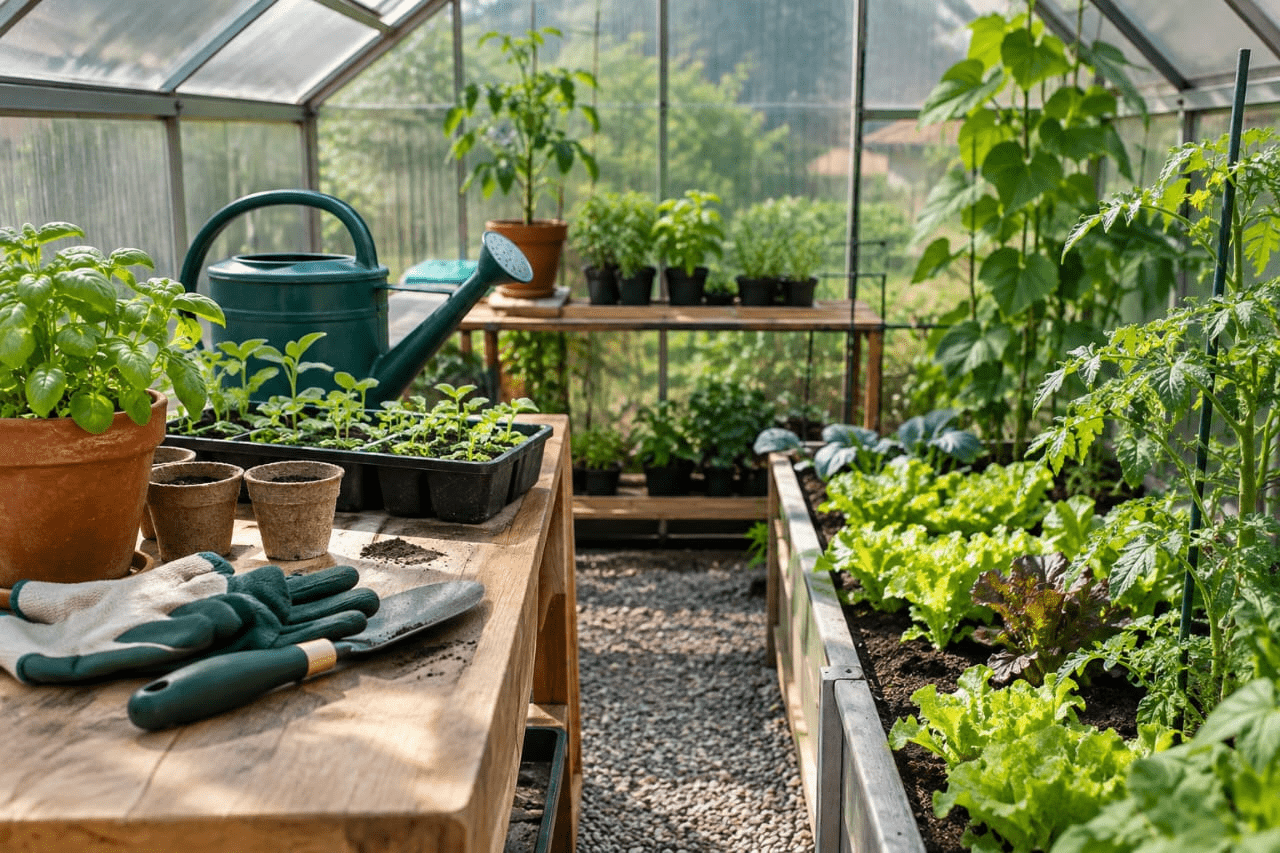
Starting a greenhouse can make gardening more flexible by giving plants a protected growing environment. However, a greenhouse also means that you are responsible for conditions that rain and nature normally control outdoors, including watering, temperature, ventilation, and humidity. These beginner greenhouse gardening tips will help you understand the basics before you start filling your greenhouse with plants.
Disclaimer
This article may contain affiliate links. We may earn a small commission from qualifying purchases at no extra cost to you. Your support helps us create useful gardening content.
Greenhouse Gardening Tips for Healthy Plant Growth:
These beginner greenhouse gardening tips will help you create the right growing conditions and care for your plants with confidence. Create the perfect environment for healthy plant growth. Learn simple ways to manage temperature, watering, humidity, and ventilation.
1. Choose the Right Location
The location of your greenhouse can affect how well your plants grow. Choose a place that receives plenty of sunlight and has good drainage around it. Avoid areas where water regularly collects after rain. You should also leave enough space around the greenhouse so you can open vents, clean the structure, and move around comfortably.
2. Start With Easy Plants
One of the easiest ways to learn greenhouse gardening is to begin with plants that do not require complicated care. Depending on your climate and season, good choices can include:
Lettuce, Radishes, Herbs, Tomatoes, Cucumbers, Peppers, Seedlings for outdoor planting.
The exact planting time will depend on your local climate. A greenhouse can extend the growing season, but it does not remove the temperature requirements of individual plants. Greenhouse crops commonly include vegetables, transplants, flowers, and ornamental plants.
3. Pay Attention to Temperature
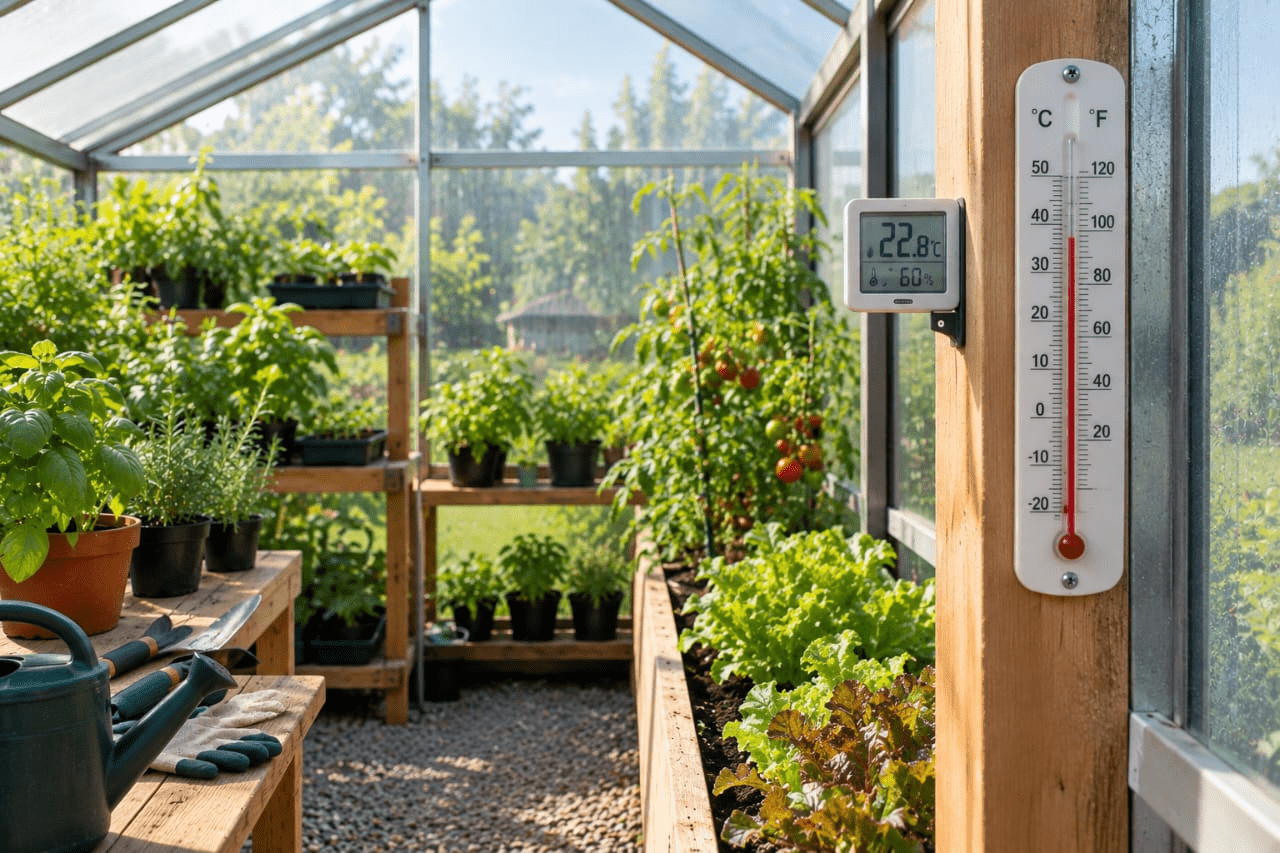
A greenhouse can become much warmer than the outdoor temperature, particularly when sunlight is strong. This is why temperature should be checked regularly. If the greenhouse becomes too hot, open available vents and doors when appropriate to allow excess heat to escape. During colder periods, protection from freezing temperatures may also be necessary for sensitive plants.
4. Do Not Ignore Ventilation
Opening vents or doors when conditions allow helps move hot air out and fresh air in. Good air circulation also helps reduce excessive humidity around plants. This becomes particularly important when seedlings are growing because poor air movement and excessive moisture can increase the risk of fungal problems.
5. Learn How to Water Properly
Greenhouse plants cannot rely on natural rainfall, so watering becomes your responsibility. Instead of following a fixed watering schedule, check the growing medium and consider the plant’s stage of growth and the weather conditions. Avoid keeping the soil constantly saturated because excessive moisture can contribute to root and disease problems.
6. Give Plants Enough Space
It can be tempting to fit as many plants as possible into a greenhouse, but overcrowding can create problems. Leave enough space between plants for air to move around them and for you to inspect leaves, water, prune, and harvest. Proper spacing also makes it easier to notice pests or damaged growth before the problem spreads.
7. Start Seeds Carefully
A greenhouse can be useful for starting plants from seed, but seedlings need consistent conditions. Pay attention to the recommended temperature for each type of seed. Keep growing media appropriately moist without leaving it excessively wet. Good air circulation is also important during seedling development. When seedlings are eventually moved outdoors, they may need to be gradually exposed to outdoor conditions rather than being transferred suddenly. This process is called hardening off.
8. Keep the Greenhouse Clean
Remove dead leaves, fallen plant material, and unnecessary debris. Clean containers before reusing them and keep working areas reasonably organized. Also pay attention to tools, hands, and watering equipment. Greenhouse disease-management guidance emphasizes sanitation, airflow, and careful watering practices because enclosed environments can allow plant problems to spread more easily.
9. Watch for Pests Early
A greenhouse provides protection from weather, but it does not automatically protect plants from insects. Check the underside of leaves and new growth regularly. Look for signs such as holes, sticky residue, distorted leaves, or visible insects.
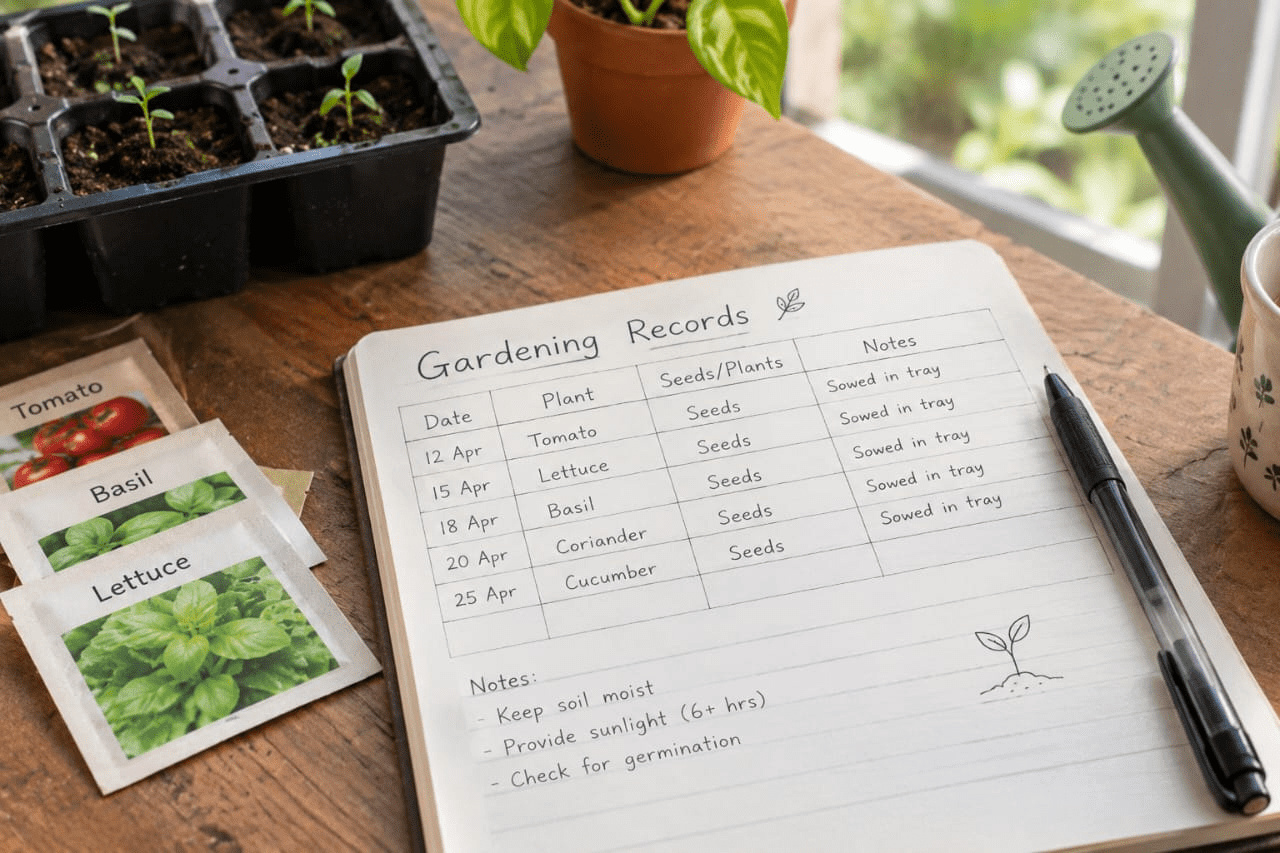
10. Keep Simple Gardening Records
A small notebook or digital record can become surprisingly useful.
Write down:
What you planted, The variety, When you sowed the seeds, When seedlings were transplanted, When flowering started, When harvesting began, Problems you noticed, What worked well.
After one growing season, these notes can help you make better decisions about what to grow and when to start it next year.
Mistakes to Avoid:
New greenhouse gardeners often focus on planting but forget about environmental management. Some common mistakes include:
- Overwatering plants
- Keeping the greenhouse closed on very hot days
- Planting too closely together
- Starting too many difficult crops at once
- Ignoring early signs of pests
- Forgetting to clean the growing area
- Not checking drainage
- Moving seedlings outdoors without hardening them off
A greenhouse gives you more control, but that also means you need to pay attention to water, temperature, ventilation, and plant health.
Conclusion:
Following these beginner greenhouse gardening tips can help you maintain a healthy and productive greenhouse throughout the growing season.Greenhouse gardening does not have to be complicated when you start with the basics. Choose suitable plants, monitor temperature and moisture, provide good ventilation, keep plants spaced properly, and check them regularly. The most useful approach is to start small, learn how your greenhouse behaves throughout the day, and adjust your routine according to your plants and local growing conditions. With consistent observation and simple habits, your greenhouse can become a productive part of your garden.

About The Author
“Shawn L. Pridgen is a gardening content writer and enthusiast who focuses on practical gardening methods, growing techniques, and useful information for home gardeners. His content combines hands-on gardening experience with careful research to make gardening easier to understand for beginners.“